
Popular Tree Removal Products For Safe and Easy Clearing
Discover top-rated tools and accessories designed to simplify the tree removal process while maximizing safety.
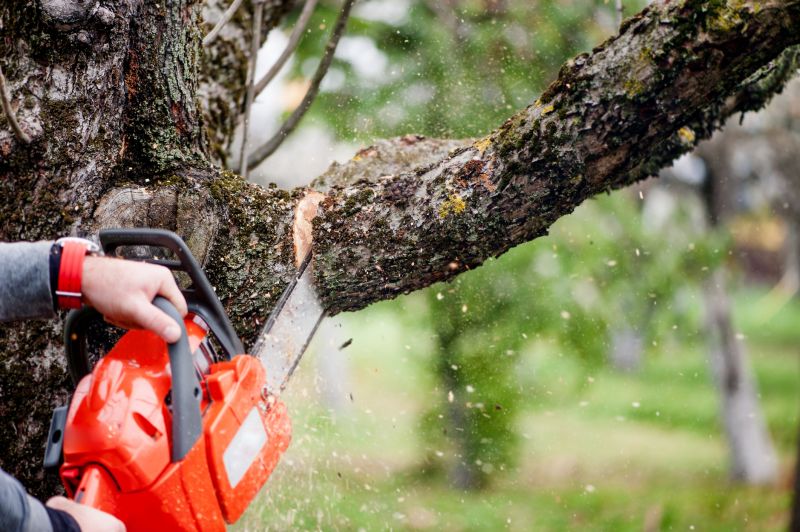 Tree removal is a task that requires careful planning and the right tools to ensure safety and efficiency. Whether dealing with hazardous branches, dead trees, or clearing space for new landscaping, having the appropriate equipment can make a significant difference. In Scottsdale, AZ, where the climate can influence tree health and growth patterns, selecting suitable products for tree removal is essential for both homeowners and professionals. Proper tools not only facilitate the process but also help minimize potential damage to surrounding property and ensure safety during operation.
Top Overall Option
Power Chainsaw with Safety Features
A versatile and reliable power chainsaw equipped with safety features like automatic chain brakes and ergonomic handles can serve as a central tool for tree removal tasks. It offers the power needed for cutting through thick trunks and large branches while maintaining safety standards. Its ease of use and adaptability make it suitable for both professional arborists and dedicated homeowners managing tree maintenance.
Types of Products For Tree Removals
Manual Pruning Saws
Ideal for precise trimming and smaller branches, manual pruning saws offer control and accuracy for detailed work.
Chainsaws
Power tools designed for cutting through large trunks and heavy branches efficiently, available in various sizes and power levels.
Pole Saws
Extendable tools that allow for cutting high branches from the ground, reducing the need for ladders.
Hand Pruners and Shears
Suitable for trimming smaller branches and shaping trees before or after removal.
Stump Grinders
Machines used to grind down remaining tree stumps below ground level for landscaping or construction.
Rope Winches and Pulley Systems
Assist in controlling the fall of branches or trees, enhancing safety during removal.
Safety Gear Sets
Includes gloves, helmets, eye protection, and protective clothing essential for safe operation.
Loppers
Long-handled cutting tools ideal for trimming thicker branches at a distance.
Tree Climbing Gear
Harnesses, spikes, and ropes designed for professional arborists working at height.
Debris Chutes
Tools to safely direct cut branches and debris away from work areas.
Aerial Lifts
Equipment that provides elevated access for large or hard-to-reach trees.
Ax and Hatchets
Traditional tools useful for chopping small trees or clearing brush.
Tree Removal Nets
Protective nets used to catch falling branches, safeguarding nearby structures and people.
Hydraulic Tree Pullers
Heavy-duty equipment for pulling out stubborn or uprooted trees.
Chainsaw Accessories
Additional bars, chains, and safety features to enhance chainsaw performance and safety.
Popular Choices
Portable and easy to handle, suitable for small to medium tree work without the hassle of cords.
Convenient for reaching high branches, often battery-powered for mobility.
Designed for professional use, capable of handling large trunks and frequent use.
Popular for residential landscaping projects involving stump removal.
Essential safety gear that provides head and face protection during tree work.
Widely used for controlling branch and tree falls, especially in tight or delicate spaces.
Convenient for trimming and shaping smaller branches with minimal effort.
Effective for removing larger, stubborn trees from the ground.
Popular for professional arborists needing elevated access safely.
Help manage debris and fallen branches during removal.
Trusted by professionals for safe ascent and descent in tree work.
Trusted for catching falling debris and protecting surroundings.
Useful for chopping smaller trees or clearing brush efficiently.
Assist in directing the fall of trees safely and precisely.
Complete sets for post-removal cleanup and disposal.
Effective tree removal often involves a combination of manual tools and power equipment. Manual tools such as hand saws and pruning shears are useful for smaller branches and precise cuts. For larger branches or trunks, power tools like chainsaws and pole saws are typically employed. Safety gear, including gloves, helmets, and eye protection, is equally important to prevent injuries. Understanding the different types of equipment available can help users choose the right tools for their specific needs, whether they are managing a few overgrown branches or undertaking a large-scale removal project.
In addition to cutting tools, accessories such as stump grinders and rope winches can aid in the complete removal of trees and stumps. Stump grinders allow for the safe and efficient grinding of remaining stumps below ground level, facilitating future landscaping or construction. Rope winches and pulleys can assist in controlling the direction of falling branches or trees, reducing the risk of damage or injury. When selecting products, it is important to consider the size and type of trees involved, as well as the terrain and accessibility of the site. Proper planning and the right equipment are key to a successful and safe tree removal process.
Key Buying Considerations
- Tree size and type: Assess the diameter and species to select appropriate tools.
- Power source: Decide between electric, battery-powered, or gas-powered equipment based on mobility needs and power requirements.
- Safety features: Look for safety mechanisms such as chain brakes, anti-vibration handles, and protective gear compatibility.
- Ease of use: Consider user experience, especially if the equipment will be handled by non-professionals.
- Durability and build quality: Choose tools made from sturdy materials that can withstand frequent use.
- Weight and portability: Lighter tools reduce fatigue, especially for extended use or climbing tasks.
- Maintenance requirements: Understand how easy it is to service and maintain the equipment.
- Accessories and compatibility: Ensure availability of compatible parts and accessories for future upgrades.
- Site accessibility: Consider whether equipment like lifts or extended tools are necessary for reaching high or difficult areas.
- Budget constraints: Balance the cost with the features and durability needed for your specific projects.
- Environmental conditions: Account for weather and terrain, choosing equipment suited for outdoor use in Scottsdale's climate.
- Storage space: Ensure proper storage solutions for larger equipment or accessories.
- Regulatory compliance: Verify that tools meet safety standards and regulations applicable in your area.
- User training: Consider the need for training or instructions to operate equipment safely and effectively.
- Project scope: Match the tool's capacity to the scale of your tree removal tasks.