
Optimal Timing for Tree Removal
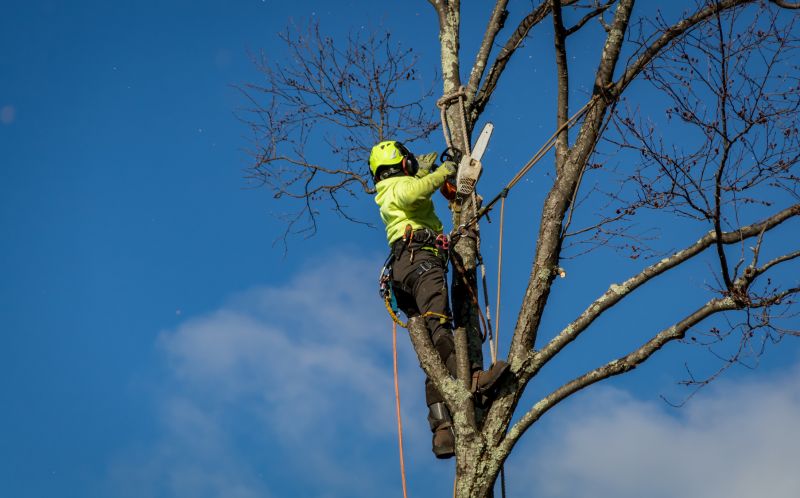
Spring can be suitable for tree removal when trees are actively growing, allowing for easier assessment and safer removal.
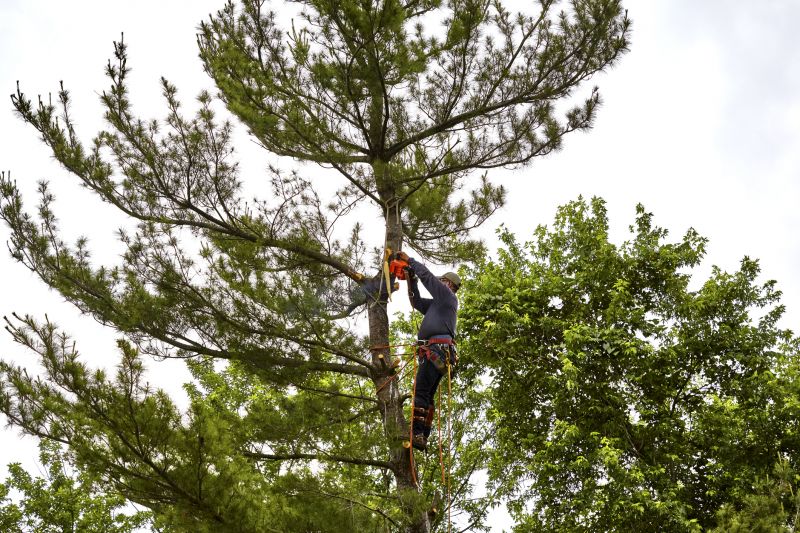
Summer offers longer daylight hours, but high temperatures can increase risks during removal procedures.
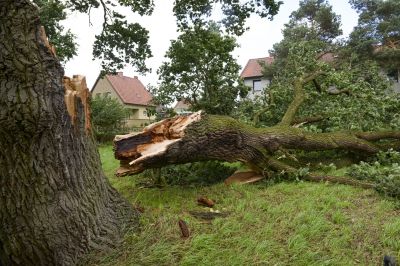
Fall is often ideal as trees are entering dormancy, reducing stress and minimizing impact on surrounding vegetation.
Tree removal is a critical process that requires careful timing to ensure safety and health of the landscape. The optimal time depends on various factors including tree species, local climate, and specific site conditions. Proper timing can reduce risks associated with removal and help prevent damage to nearby structures or plants.
In regions like Scottsdale, Arizona, late winter and early spring are often considered the best times for tree removal, as trees are less actively growing and are in a state of dormancy. This minimizes stress on the remaining landscape and allows for safer, more efficient removal operations. Additionally, removing trees during dormancy reduces the likelihood of pest infestations and disease spread.
Winter is generally suitable for tree removal due to dormancy, with less foliage to obstruct access and visibility.
Avoid removal during extreme weather conditions such as high winds or storms to ensure safety and effectiveness.
Some species, like oaks and maples, have specific seasonal considerations that influence optimal removal timing.
Timing removal to allow for proper regrowth and recovery of the landscape is essential for maintaining property aesthetics.
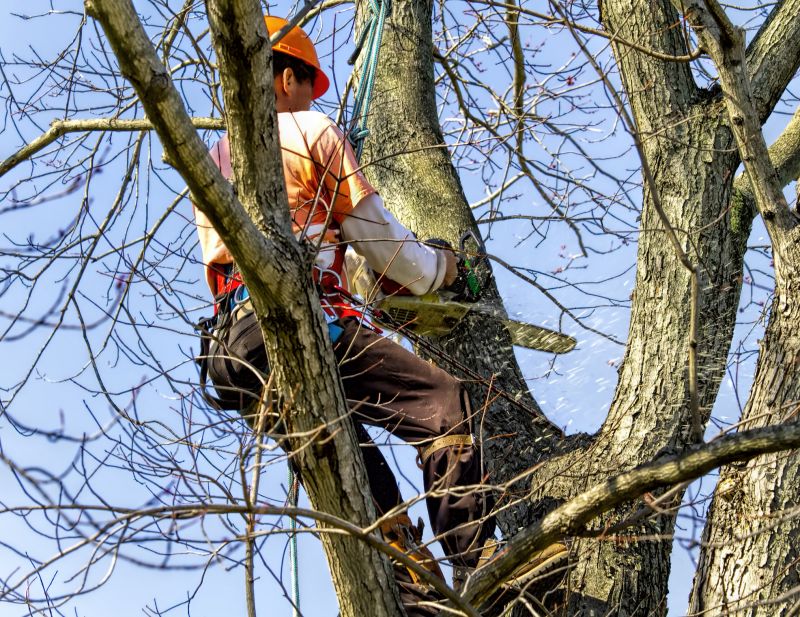
Specialized equipment is used for safe and efficient tree removal, especially during optimal seasons.
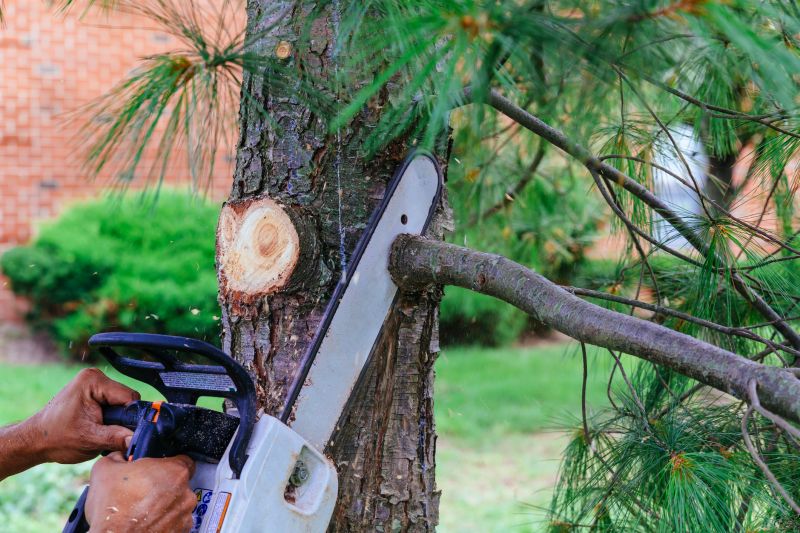
Dormant season allows for easier cuts and less stress on remaining trees.
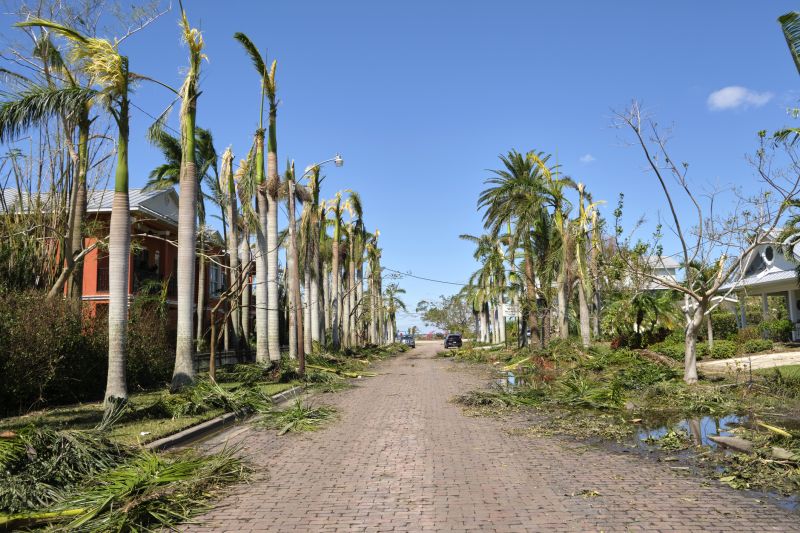
Proper cleanup and landscape restoration are essential after removal, regardless of timing.
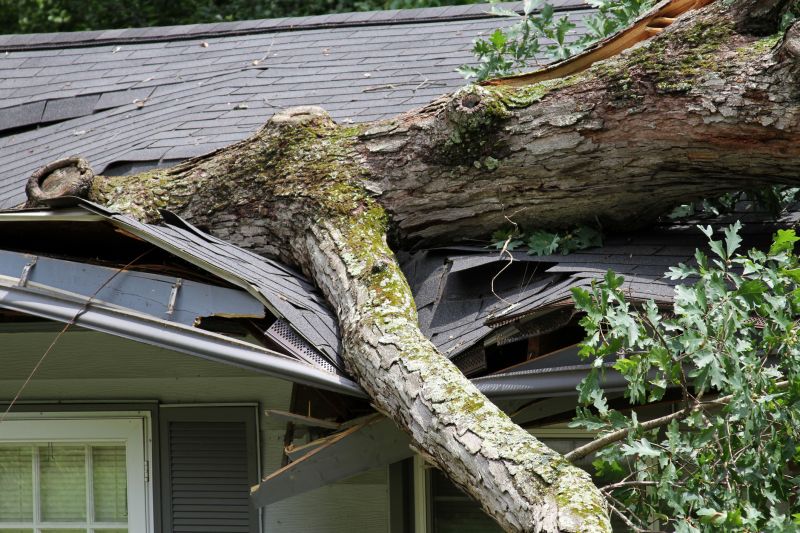
Tree removals after storms are often urgent but should be performed with safety considerations.
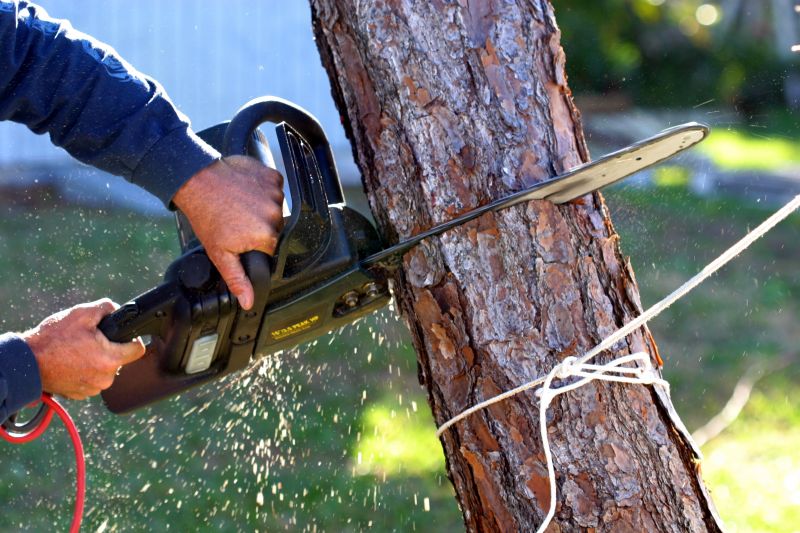
Assessing tree health before removal helps determine the best timing and method.
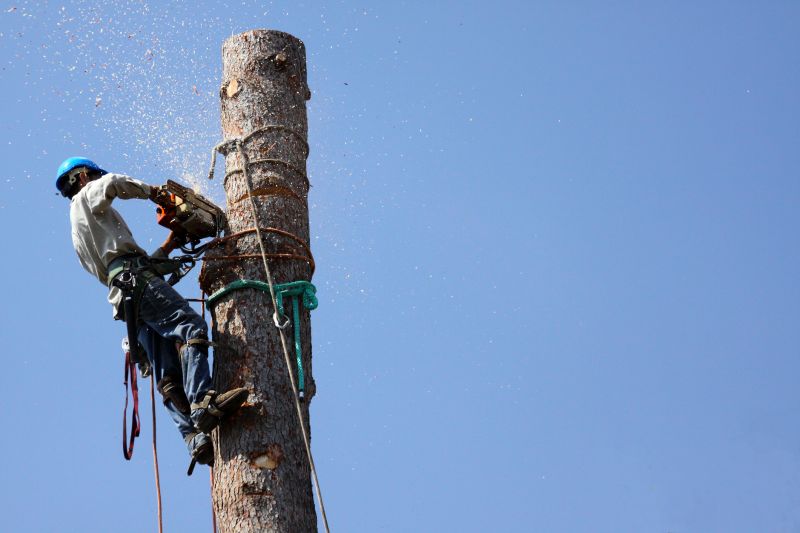
Proper planning ensures minimal disruption and safety during the removal process.
| Season | Advantages |
|---|---|
| Winter | Less foliage, easier access, reduced pest activity. |
| Spring | Active growth, easier to assess health, but may cause more stress. |
| Summer | Longer days, but higher temperatures increase risks. |
| Fall | Trees are entering dormancy, minimizing stress and damage. |
Understanding the best timing for tree removal helps ensure safety, minimizes landscape impact, and promotes healthy recovery. Consulting with a professional can provide tailored advice based on specific tree species and local conditions.
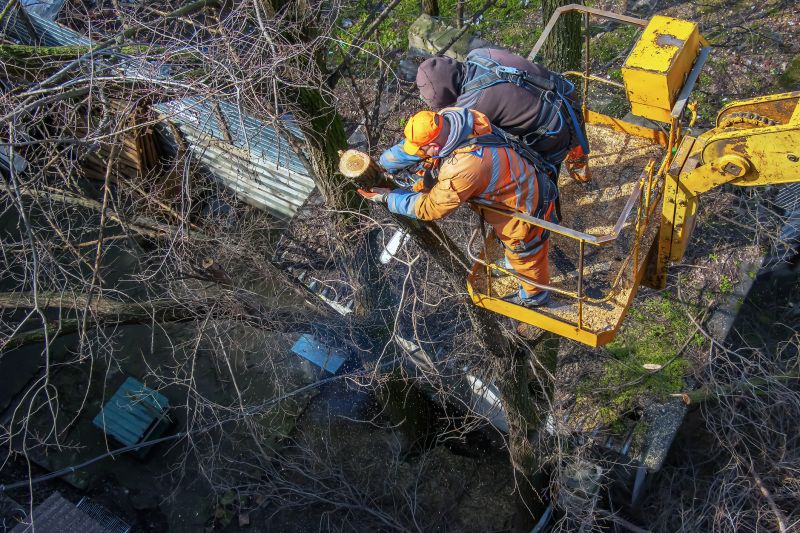
Specialized tools facilitate safe removal during optimal seasons.

Proper timing ensures minimal stress and promotes healthy regrowth.
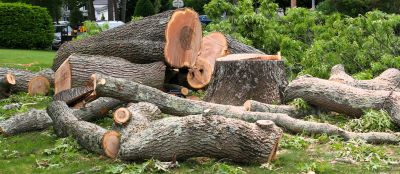
Effective cleanup maintains landscape aesthetics and safety.
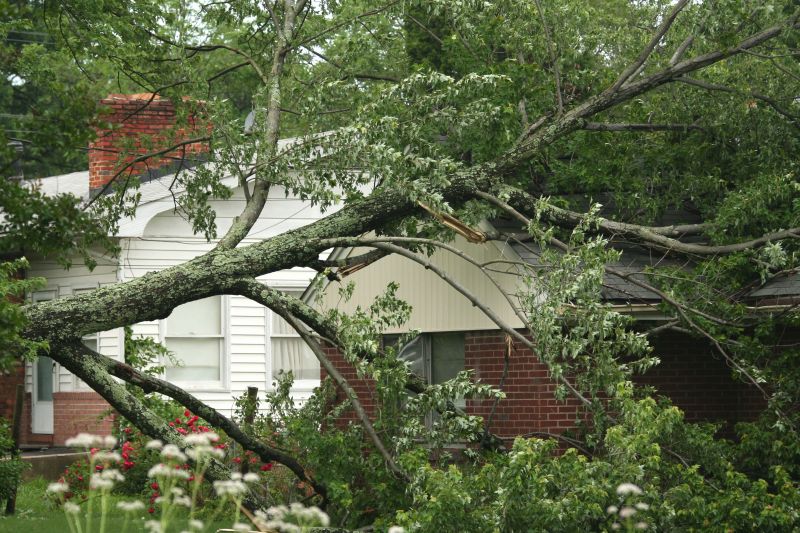
Urgent removals after storms require careful timing and safety measures.
Interested in scheduling a tree removal? Fill out the contact form to receive more information and assistance tailored to Scottsdale's climate and landscape conditions.